Osteoarthritis Knee Treatment Without Surgery: Is It Possible?
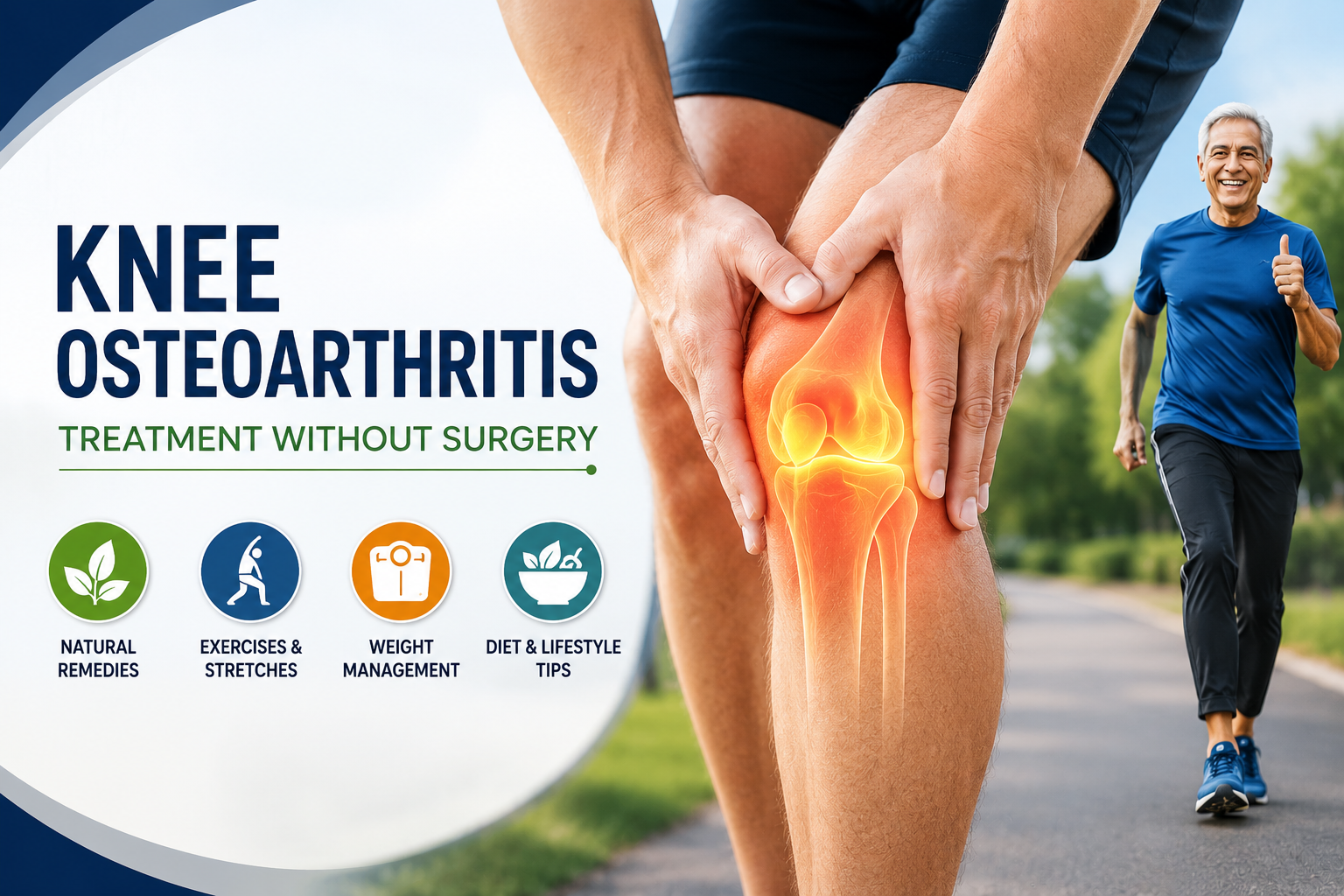
Knee pain can slowly affect every part of daily life. Walking, climbing stairs, sitting for long hours, and even sleeping may become uncomfortable. One of the most common reasons behind persistent knee pain is osteoarthritis. Many patients believe surgery is the only solution, but that is not always true. In many cases, osteoarthritis knee treatment without surgery can effectively reduce pain, improve movement, and help patients return to a more active lifestyle. According to Dr. Vaibhav Jain, early diagnosis and timely management play a major role in slowing the progression of knee osteoarthritis. Non surgical treatment options are often recommended before considering knee replacement surgery.
What Is Knee Osteoarthritis?
Knee osteoarthritis is a degenerative joint condition in which the protective cartilage between the knee joints gradually wears down. As the cushioning reduces, the bones begin to rub against each other, causing pain, stiffness, swelling, and reduced mobility. This condition is more common in older adults, but younger individuals may also develop it because of obesity, previous injuries, sports trauma, or excessive stress on the knee joints.
Common Symptoms of Knee Osteoarthritis
Some early signs of knee osteoarthritis include:
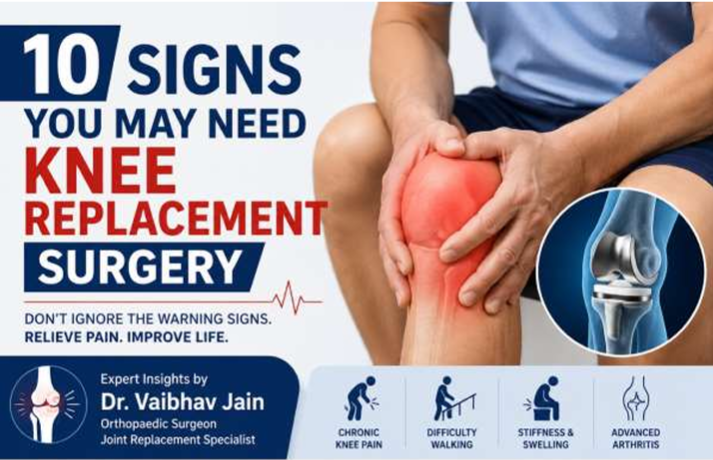
Knee pain during walking or climbing stairs
Morning stiffness in the knee joint
Swelling around the knee
Cracking or grinding sounds while moving
Reduced flexibility and movement
Difficulty standing for long periods
If these symptoms are ignored, the condition may gradually worsen over time.
Yes, osteoarthritis knee treatment without surgery is possible for many patients, especially during the early and moderate stages of arthritis. The main goal of conservative treatment is to reduce pain, improve joint function, strengthen surrounding muscles, and delay the need for surgery. The success of treatment depends on several factors including age, severity of arthritis, body weight, lifestyle, and overall joint condition.
Best Non Surgical Treatments for Knee Osteoarthritis
1. Physiotherapy for Knee Osteoarthritis
Physiotherapy is one of the most effective methods for managing knee arthritis naturally. Specific exercises help strengthen the muscles around the knee joint, improve flexibility, and reduce stress on the damaged cartilage.
A personalized rehabilitation plan may include:
Quadriceps strengthening exercises
Hamstring stretching
Balance training
Low impact mobility exercises
Posture correction techniques
Regular physiotherapy can significantly improve walking ability and reduce knee pain.
Excess body weight increases pressure on the knee joints. Even a small reduction in weight can decrease stress on the knees and improve symptoms. Patients with obesity often experience faster progression of osteoarthritis. A balanced diet combined with supervised physical activity can support long term joint health.
3. Medications for Pain Relief
Doctors may prescribe medications to reduce inflammation and manage pain. These may include:
Anti inflammatory medicines
Pain relievers
Topical gels and creams
However, medications only provide temporary symptom relief and should always be taken under medical supervision.
4. Lifestyle Modifications
Simple lifestyle changes can make a major difference in knee arthritis management. Patients are usually advised to:
Avoid sitting cross legged for long durations
Reduce stair climbing when possible
Avoid high impact exercises
Use supportive footwear
Maintain regular movement throughout the day
These adjustments can reduce stress on the knee joints and improve comfort.
5. Knee Braces and Support
Knee braces provide external support and improve stability during walking. In some patients, braces help redistribute body weight more evenly across the knee joint. This conservative approach is often beneficial for mild to moderate arthritis cases.
6. Injection Based Treatments
In selected patients, injection therapies may help reduce inflammation and improve lubrication within the joint.
Common options include:
Corticosteroid injections
Hyaluronic acid injections
Platelet rich plasma therapy
These treatments are generally recommended after proper clinical evaluation.
7. Activity Modification and Exercise
Complete bed rest is usually not recommended for osteoarthritis patients. Controlled movement and low impact activities help maintain joint flexibility.
Helpful activities include:
Walking on flat surfaces
Cycling
Swimming
Stretching exercises
Yoga under supervision
Staying physically active can help prevent stiffness and muscle weakness.
When Is Surgery Required?
Although osteoarthritis knee treatment without surgery works well for many individuals, advanced arthritis may eventually require surgical intervention.
Surgery may be considered if:
Severe pain affects daily activities
Conservative treatments stop providing relief
Knee deformity develops
Walking becomes extremely difficult
Sleep is regularly disturbed because of pain
In such cases, advanced procedures such as partial knee replacement or total knee replacement may be advised.
Importance of Early Diagnosis
Early treatment can slow down the progression of knee osteoarthritis and help preserve natural joint function for a longer period. Delaying medical consultation may increase cartilage damage and reduce the effectiveness of conservative treatments. An experienced orthopedic specialist can assess the severity of arthritis using clinical examination and imaging studies before creating a customized treatment plan.
Why Choose Dr. Vaibhav Jain for Knee Osteoarthritis Treatment?
Dr. Vaibhav Jain is an experienced orthopedic and joint replacement surgeon with over 15 years of expertise in treating knee and joint conditions. He has performed more than 6200 orthopedic surgeries and specializes in knee preservation, joint replacement, sports injuries, and advanced orthopedic care. His approach focuses on accurate diagnosis, personalized treatment planning, and recommending non surgical solutions whenever possible before considering surgery.
Final Thoughts
Living with knee osteoarthritis does not always mean surgery is unavoidable. With the right medical guidance, physiotherapy, weight management, lifestyle modifications, and advanced conservative treatments, many patients can successfully manage symptoms and maintain an active lifestyle. The key is early diagnosis and choosing the right treatment plan based on the severity of the condition. If you are experiencing persistent knee pain, consulting an experienced orthopedic specialist can help you understand the best available options for long term relief.
Consult our World Class Experienced Doctor Vaibhav Jain Today!
Click the below button and fill all your information and request an appointment. Then we will give you confirmation.