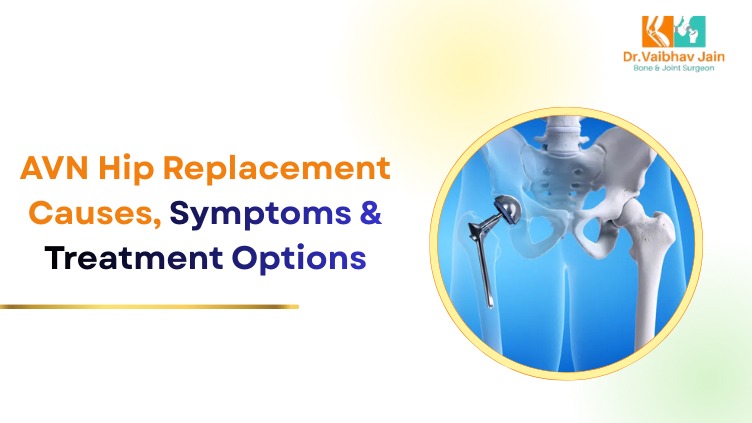
Avascular Necrosis (AVN) of the hip is a severe orthopedic condition that can significantly impact mobility and quality of life. When left untreated, AVN often progresses to joint failure. Avascular necrosis of the hip can result in extensive joint damage, making hip replacement the most dependable and definitive treatment in severe cases. Under the care of a professional orthopedic doctor like Dr. Vaibhav Jain, patients can regain pain-free movement and return to an active lifestyle using modern hip replacement techniques.
What Is Avascular Necrosis of the Hip?
Avascular necrosis of the hip occurs when there is a disruption in the blood supply to the femoral head, which is the ball part of the hip joint. Due to reduced blood flow, the bone tissue begins to weaken and eventually collapses, leading to severe pain, stiffness, and difficulty walking. AVN most commonly affects the hip joint and is one of the main reasons young and middleaged adults require hip replacement surgery.
Why Does AVN Occur?
AVN does not typically have a single cause. In many patients, AVN develops due to a combination of risk factors that affect blood flow to the bone. Common causes include: 1. Prolonged or high-dose steroid use 2. Excessive alcohol consumption 3. Smoking 4. Trauma or previous hip injury Certain medical conditions, including autoimmune disorders, blood-related conditions, or metabolic diseases, may also contribute to the development of hip avascular necrosis. In many cases, the exact cause remains unknown; however, the condition often continues to progress silently until symptoms become severe.
Symptoms of Hip Avascular Necrosis
Early AVN may cause mild or no symptoms. As the condition advances, patients may experience: 1. Persistent groin or hip pain 2. Pain while walking or standing 3. Reduced hip movement 4. Limping Pain that worsens over time and does not respond to medication is a common symptom of advanced AVN. Once the femoral head collapses, AVN hip replacement becomes the most effective treatment option.
How Is AVN Diagnosed?
Doctors use imaging studies to confirm avascular necrosis: 1. X-rays help detect bone collapse in later stages of AVN. 2. MRI scans are considered the most reliable method for early diagnosis and can detect bone damage before changes appear on X-rays. Early diagnosis improves treatment planning and long-term outcomes.
Treatment Options for Avascular Necrosis of the Hip
1. Non-Surgical Treatment
In very early stages, doctors may recommend: 1. Activity modification 2. Pain medications 3. Avoiding steroids and alcohol 4. Using walking aids to reduce weight-bearing However, nonsurgical treatments do not stop disease progression in most cases.
2. Surgical Treatment
Procedures such as core decompression may be recommended in early AVN; however, longterm success rates are limited, especially in advanced cases. For patients with joint damage, femoral head collapse, or persistent pain, hip replacement surgery offers the most predictable and lasting relief.
AVN Hip Replacement: The Most Effective Solution
AVN hip replacement involves replacing the damaged hip joint with an artificial implant that restores smooth movement and relieves pain
Benefits include: 1. Complete pain relief 2. Improved mobility and stability 3. Long-lasting results 4. High success rates, even in advanced AVN cases With modern minimally invasive techniques, recovery is faster, allowing patients to return to daily activities sooner.
Why Choose Dr. Vaibhav Jain for AVN Hip
Replacement?
Dr. Vaibhav Jain is a highly experienced orthopedic and joint replacement surgeon specializing in hip replacement procedures. His patient-centric approach, advanced surgical techniques, and focus on long-term outcomes make him a trusted choice for AVN hip replacement surgery.
Patients benefit from: 1. Accurate diagnosis 2. Ethical treatment recommendations 3. Modern surgical techniques 4. Personalized rehabilitation plans
Recovery depends on several factors, including overall health, the surgical technique used, and adherence to rehabilitation protocols. Most patients: 1. Start walking within a day 2. Resume routine activities within a few weeks 3. Experience steady improvement in strength and mobility Dr. Vaibhav Jain closely monitors the recovery process to ensure optimal healing and function.
Frequently Asked Questions (FAQs)
1. When can I travel after AVN hip replacement?
Most patients can plan short trips after their first follow-up visit. Long-distance travel is usually safe after 1–2 weeks, provided regular movement is maintained to reduce the risk of blood clots.
2. Are there activity restrictions after hip replacement?
Traditional hip replacement requires certain precautions initially. With modern techniques, patients regain mobility faster, but your surgeon will guide you based on your individual condition.
3. When can I drive after surgery?
Patients generally resume driving two to three weeks after surgery, as long as they are painfree, confident, and not taking strong pain medications.
4. When can I return to work?
1. Desk jobs: 2–3 weeks 2. Light physical work: 4–6 weeks 3. Heavy labor: 8–12 weeks Always consult your surgeon before returning to work.
Conclusion
Avascular necrosis of the hip is a serious condition that can lead to joint damage if not treated properly. For advanced cases, AVN hip replacement remains the safest and most effective treatment option. If you are experiencing persistent hip pain or have been diagnosed with AVN, consult Dr. Vaibhav Jain for expert evaluation and a personalized treatment plan to restore mobility and improve quality of life.
Consult our World Class Experienced Doctor Vaibhav Jain Today!
Click the below button and fill all your information and request an appointment. Then we will give you confirmation.